A medianoche uses soft, sweet egg bread; a Cuban sandwich uses Cuban bread. Their pork, ham, Swiss cheese, pickle and mustard fillings can overlap. If the two appear together on a menu, start with the bread you prefer, then compare the kitchen’s actual filling and portion.
The name medianoche means midnight. It identifies the sandwich, not a requirement to order after dark and not a promise that the restaurant is open overnight.
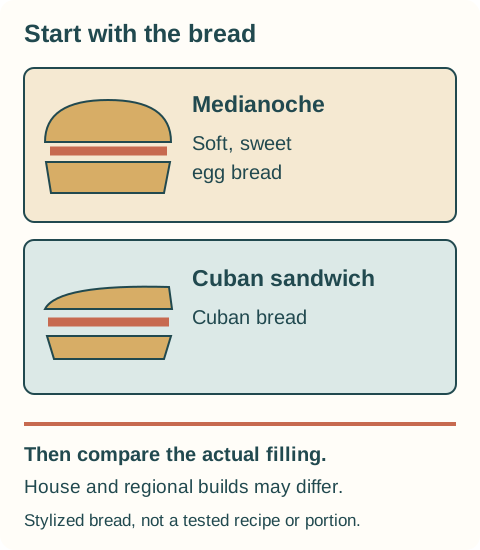
The difference that leads the choice
In Epicurious’s interview with the authors of the cookbook ¡Cuba!, the bread distinguishes the medianoche from its Cuban-sandwich cousin. The sweeter egg bread changes the balance around otherwise familiar savory fillings.
| Menu detail | Medianoche | Cuban sandwich |
|---|---|---|
| Bread starting point | Soft, sweet egg bread | Cuban bread |
| Filling starting point | Pork, ham, Swiss cheese, pickles and mustard | Similar core, with regional or house additions |
| Useful preference | You want a sweeter bread around savory fillings | You want the Cuban-bread format |
| What to check | Bread recipe, portion and included fillings | Bread, salami or other additions, portion and spread |
| What the name cannot promise | Midnight service or one fixed sandwich size | A universal recipe at every Florida restaurant |
Compare the filling and portion as well as the bread. A heavily filled medianoche and a lightly filled Cuban sandwich can differ for reasons beyond the bread.
Does the medianoche have different meat?
Often the central meat combination is similar. Do not choose it expecting that a bread change automatically replaces pork with another protein. If avoiding a particular meat is your aim, read the full description or ask the kitchen directly.
The Tampa Cuban adds another variable. Columbia’s published version includes salami along with pork and ham. A medianoche elsewhere need not contain that additional meat. You could therefore be comparing both bread and filling, depending on the menu.
Ask one complete question: “Are the fillings the same in your medianoche and Cuban sandwich, or does one also have salami or a different spread?” That gives you a more useful answer than treating the two names as a guaranteed same-filling pair.
Choosing by the bite you want
If you like sweetness in bread with a savory filling, the medianoche is a sensible option to consider. If the attraction is specifically Cuban bread, begin with the Cuban sandwich. Those are preferences, not a statement that either version is more authentic or better made.
Pressing can change the exterior of both sandwiches. Ask how the kitchen serves its bread if a soft bite or a toasted exterior is central to your choice. The sweetness of the roll does not tell you exactly how crisp the finished sandwich will be.
Sauce and pickle levels also affect the balance. Find out whether the mustard is plain or mixed with another condiment, and whether a house version changes the cheese. A substitution or extra topping matters more when you want to compare the bread itself.
Compare the portion before comparing value
The Farmers’ Almanac discussion describes medianoche as a smaller variation. Treat that as a published general description, not proof that the medianoche at every restaurant is smaller or costs less.
Check whether the menu lists a whole sandwich, a half or a combination. Then compare what comes with it. A medianoche with a side and drink is a different offer from a Cuban sandwich alone, regardless of how the headline prices look.
For two people deciding together, ask whether each sandwich can be cut for sharing. Ordering both with similar fillings can help you explore the bread difference. If the fillings differ, enjoy them as two complete dishes rather than claiming the result proves one bread is universally superior.
A short ordering checklist
- Name the bread preference: sweeter egg bread or Cuban bread.
- Confirm the filling: especially pork, ham, salami, cheese and spread.
- Check the preparation: pressed, toasted or another presentation.
- Check the serving: sandwich size, sides and whether it can be shared.
- Use current venue information: the sandwich name does not establish service hours.
If an ingredient restriction affects the choice, ask about bread, fillings and preparation separately. Egg bread has an obvious ingredient clue, but the general comparison cannot establish a restaurant’s complete recipe or handling practices.
For the Tampa and Miami context, read our Florida Cuban sandwich guide. This page serves the narrower decision: choosing between two related sandwiches whose most useful starting difference is the bread.